



Headline 1 of 5
Latest news
 SecurityNCSC-UK joins CVE program to assign vulnerability IDsCVE announced on November 17, 2026, that the UK National Cyber Security Centre (NCSC-UK) became a CVE Numbering Authority (CNA). NCSC-UK can assign CVE IDs for qualifying vulnerabilities in industrial control system and operational technology products developed or maintained by UK-based companies, within its defined scope. NCSC-UK says it will coordinate or refer cases to a more appropriately scoped CNA and will not assign CVE IDs outside its scope.
 SecurityPydantic joins CVE program as a numbering authorityPydantic Services Inc. became a CVE Numbering Authority on 2026-11-17, covering open-source projects it maintains, including Pydantic. The organization is the 296th CNA from the United States, with the Red Hat Root as its CNA Root. Within its agreed scope, Pydantic Services Inc. can assign CVE IDs and publish CVE Records for vulnerabilities in its projects.
 SecuritySymfony becomes CVE authority for its software across five GitHub organizationsSymfony has become a CVE Numbering Authority for software published in five project GitHub organizations and related Packagist packages in the symfony and twig namespaces. The authority covers all versions, including end-of-life branches, but excludes third-party packages that merely depend on Symfony or Twig. The CVE Program reported 568 CNAs in total; Symfony is its 15th CNA from France and operates under the Red Hat Root.
 SecurityCISA flags Puppet Enterprise vulnerability with server code-execution riskCISA added a deserialization vulnerability in Perforce Puppet Enterprise to its Known Exploited Vulnerabilities Catalog on 2026-11-17. The catalog says a client with a CA-signed agent certificate may execute code on the Puppet Server with the service user’s privileges, while weak verification by an automatically signing certificate authority could expose it to unauthenticated network attackers. CISA advises applying vendor mitigations in line with applicable BOD 26-04 guidance or discontinuing use if mitigations are unavailable; affected and fixed versions were not specified.
 SecurityGitHub and Microsoft pilot AI-checked vulnerability reports with six open-source projectsGitHub and Microsoft’s Codename MDASH pilot delivered checked, private reports to six open-source projects; maintainers had fixed 55 by November 15. The system narrowed thousands of possible issues to 99 reports after AI triage and manual review by seven Microsoft FORGE Lab researchers. Fourteen fixes were already in a release by November 15, and GitHub says it will offer checked scans to GitHub Secure Open Source Fund alumni.
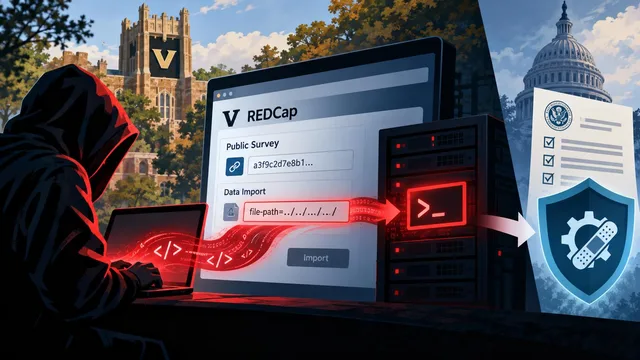 SecurityCISA warns of code-execution flaw in REDCapCISA issued an advisory about a code-injection vulnerability in Vanderbilt University’s Research Electronic Data Capture (REDCap). The advisory says an unauthenticated attacker could execute code on the server. CISA recommends applying vendor mitigations or discontinuing REDCap use if mitigations are unavailable.
 SecurityCISA lists LiteLLM vulnerability with remote-code riskCISA lists a vulnerability affecting BerriAI LiteLLM, identified as CVE-2026-40217. The advisory describes a risk of remote code execution and does not specify affected or fixed versions. LiteLLM users should apply vendor mitigations in line with CISA guidance or discontinue use if mitigations are unavailable.
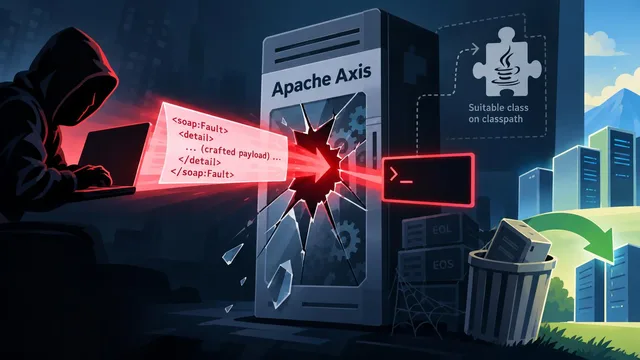 SecurityCISA lists Apache Axis code-execution vulnerabilityCISA listed an Apache Axis vulnerability in its Known Exploited Vulnerabilities catalog on November 18, 2026. The listing says an unauthenticated remote attacker could execute arbitrary code and provides no affected or fixed version numbers. CISA advises applying vendor mitigations or, if none are available, moving to a supported version or discontinuing use.
 SecurityCloudflare outlines Java4Shell protections for affected OpenJDK runtimesCloudflare published guidance on Java4Shell (CVE-2026-114938) on November 18, 2026. The post says the vulnerability was disclosed on November 17, 2026, and affects OpenJDK 17.0.6 or newer on certain x86-64 processors. The flaw may expose memory or enable remote code execution, and Cloudflare recommends installing a vendor-fixed release and restarting affected services.
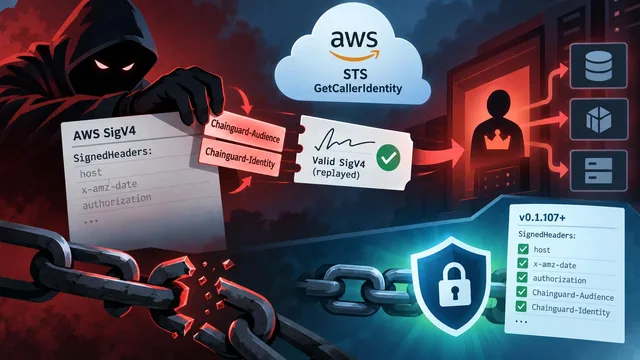 SecurityChainguard SDK update fixes AWS authentication issueGitHub reported an authentication issue in Chainguard’s `chainguard.dev/sdk` Go package, affecting versions through 0.1.106. The advisory says services using `auth/aws.VerifyToken` may incorrectly accept AWS identity proofs, while code using only `auth/aws.GenerateToken` is not affected. The advisory recommends verifier users upgrade to 0.1.107 or later and says no client-side workaround is available.
 SecurityGitHub advisory lists affected install-artifact-from-github versionsGitHub published an npm advisory for install-artifact-from-github on November 18, 2026. The advisory lists versions 1.6.0 and earlier as affected and 1.7.0 as patched. Users of install-artifact-from-github should check their installed version against the advisory.
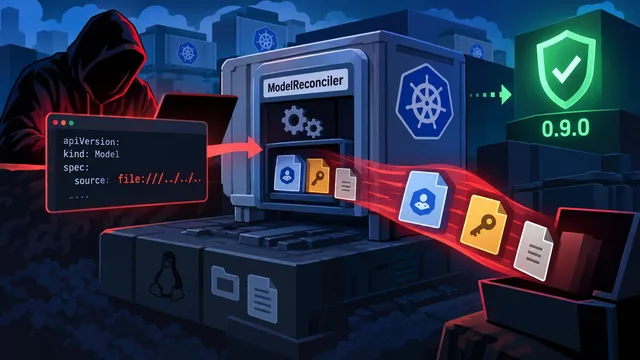 SecurityGitHub advisory flags file exposure risk in LLMKubeGitHub published an advisory for LLMKube on 2026-11-18. The advisory identifies 0.8.28 and earlier as affected and 0.9.0 as the fixed version. The flaw could expose confidential files accessible to the controller or Kubernetes node; the advisory says integrity and availability are not directly affected.
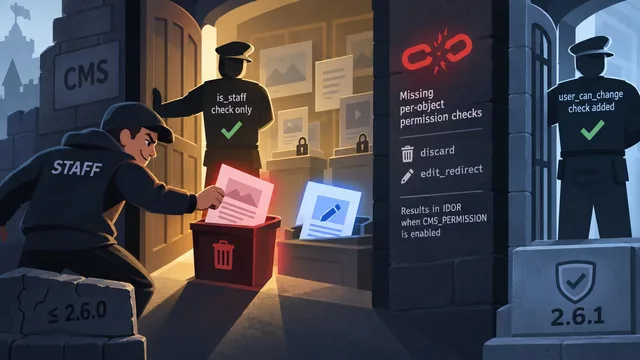 SecurityGitHub advisory urges djangocms-versioning users to upgradeGitHub published advisory GHSA-5g9x-qwh5-33x4 for the Python package djangocms-versioning on November 18, 2026. The advisory lists versions through 2.6.0 as affected and 2.6.1 as patched. Users of affected versions should upgrade to 2.6.1 or later; the advisory rates the issue medium severity.
 Securitydjango-filer advisory warns of folder-level deletion gapA security advisory says django-filer had a per-folder authorization gap that could let some staff delete files or subfolders in folders where they had read-only access through FolderPermission. The flaw affects django-filer versions through 3.4.4 when the optional per-folder permission system is enabled; the advisory describes an integrity issue, not exposure of private file contents. The fix is in django-filer 3.5.0 or later; until upgrading, administrators should not give model-level deletion privileges to staff meant to have read-only access to specific folders.
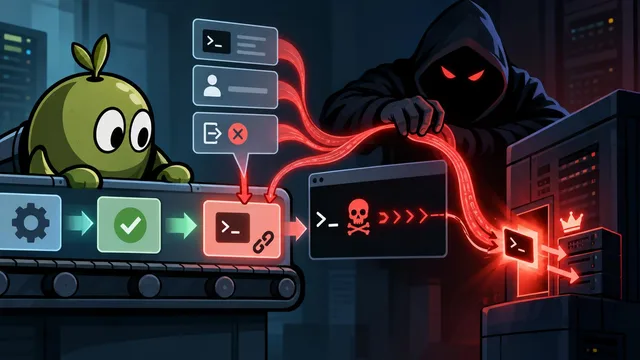 SecurityOliveTin advisory identifies command-injection flawGitHub published a security advisory for OliveTin’s shellAfterCompleted feature. The advisory lists versions before 0.0.0-20260728155752-e5d29b68da66 as affected and that version as patched. The flaw could allow commands to run with OliveTin’s privileges; the advisory recommends upgrading and applying shell-safety protections to post-execution template variables.
 SecurityMiren Runtime warns of RPC flaw in versions before 0.11.1Miren Runtime’s maintainers disclosed an RPC authentication bypass affecting versions before 0.11.1, which could give an unauthenticated party with network access cluster-superuser privileges. The advisory says the RPC server did not check that presented TLS client certificates were signed through the cluster Certificate Authority, allowing certificate identities to bypass role-based access controls. Miren recommends upgrading to 0.11.1 and restarting the server; until then, administrators should restrict RPC access to trusted management networks and, because unauthorized access may be difficult to detect, redeploy applications and rotate credentials stored in environment variables.
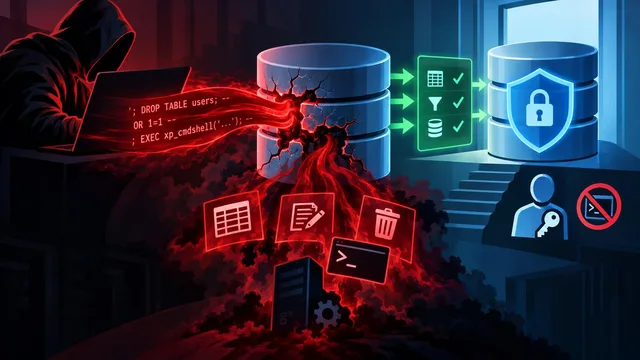 SecurityGitHub advises upgrades for SQL injection flaw in four MCP packagesGitHub disclosed a SQL injection vulnerability affecting four @connorbritain/mssql-mcp packages, including versions through 0.5.0 of mssql-mcp-core. The advisory says an actor able to supply tool arguments could read, modify, or delete data, bypass safeguards, and, under certain conditions, execute operating-system commands. GitHub recommends upgrading to fixed versions, including mssql-mcp-core 0.6.0, and applying additional access controls.
 Securitycassandra-jdbc-wrapper flaw could expose Cassandra tokens in DEBUG logsThe maintainers of cassandra-jdbc-wrapper disclosed that authentication tokens could appear in application logs when DEBUG logging was enabled. The flaw affected token-based Cassandra authentication because existing redaction protections covered passwords but not tokens, which could grant access to data within the token’s authorization. The advisory lists 5.0.2 and 4.16.4 as patched releases and recommends upgrading; organizations should also review log access and retention and consider rotating potentially exposed tokens.