DEV article lists public XRP Ledger servers across three networks
- XRP Ledger
- Mainnet
- public RPC servers
- WebSocket
Mainnet, Testnet and Devnet endpoints answered in November 2026
Public access comes with limits on availability and heavy use
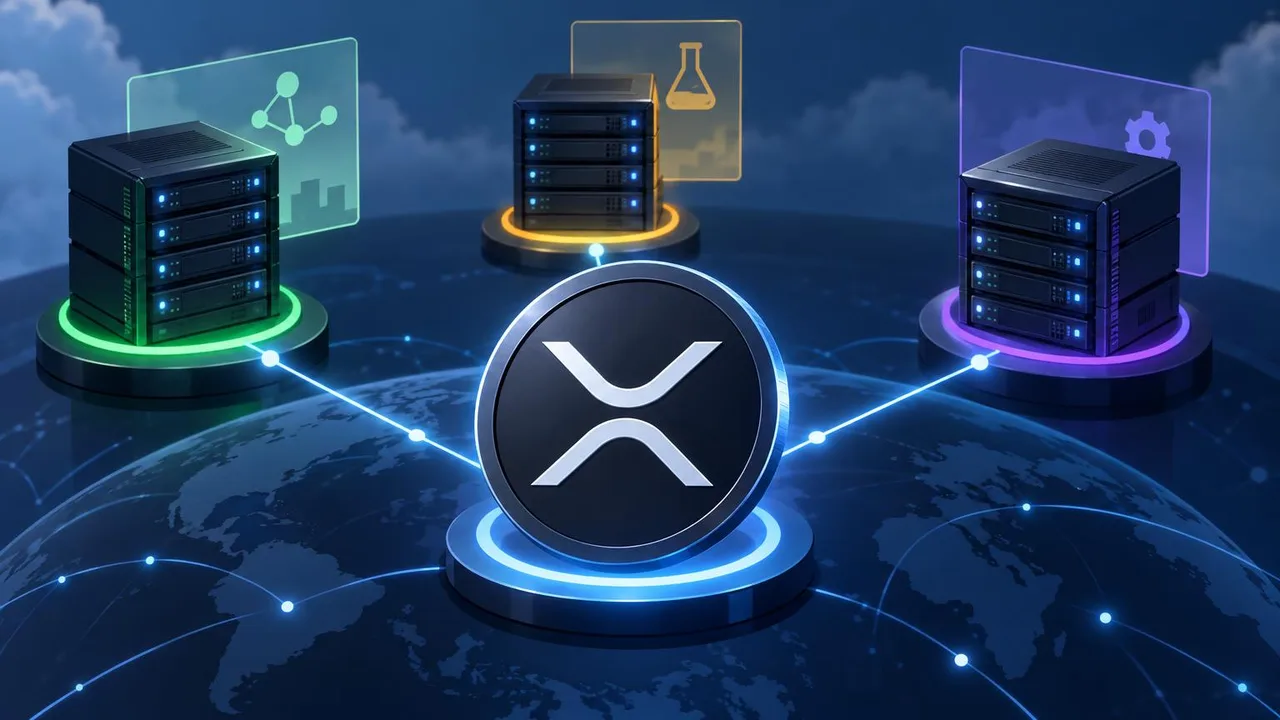
An article published on DEV listed free public RPC and WebSocket servers for the XRP Ledger’s Mainnet, Testnet and Devnet. Its author said the listed endpoints had answered in November 2026; the article did not give a specific check date.
The Mainnet list includes servers operated by Ripple, InFTF, Honeycluster, xrpl.stream and xrpl.to. The article says all listed Mainnet servers provide full history from ledger 32,570, dated 1 January 2013.
The Testnet list includes endpoints from Ripple, Ripple’s Clio service, XRPL Labs, Honeycluster, xrpl.stream and xrpl.to. Testnet is a separate network where XRP is free and has no monetary value, making it suitable for testing.
The Devnet list includes servers operated by Ripple and Ripple Clio. Devnet is used to test unstable changes to core XRP Ledger software before they reach Mainnet. The article reports that devnet.honeycluster.io returned an amendment-blocked response in November 2026 because its server version was too old to follow the current ledger.
The article says xrpl.stream accepts up to 5 requests per second and 1 million credits per month without a key; a free key raises the limit to 15 requests per second. It also describes xrpl.to’s Mainnet relay as forwarding read commands and history requests, but not transaction submissions through that read service.
Ripple’s public-servers documentation, as cited in the article, warns that its servers are not intended for sustained or business use and may become unavailable at any time. The article says public servers can also slow under heavy load.
For applications with real traffic, the article recommends running a server or paying a provider. For high usage, it advises spacing requests out or using a service key where available.
Our priority is to report the news promptly and faithfully.
We use AI to summarize the key facts in our sources. Our editors are responsible for final review and publication.
We leave it to readers to interpret the facts and draw their own conclusions.