Bitcoin Kisumu moves website repository into community GitHub organization
- Bitcoin Kisumu
- GitHub organization
- Bitcoin education
- branch protection
The public project now has two owners
Branch rules require review and a passing build
Seven starter issues invite community contributions
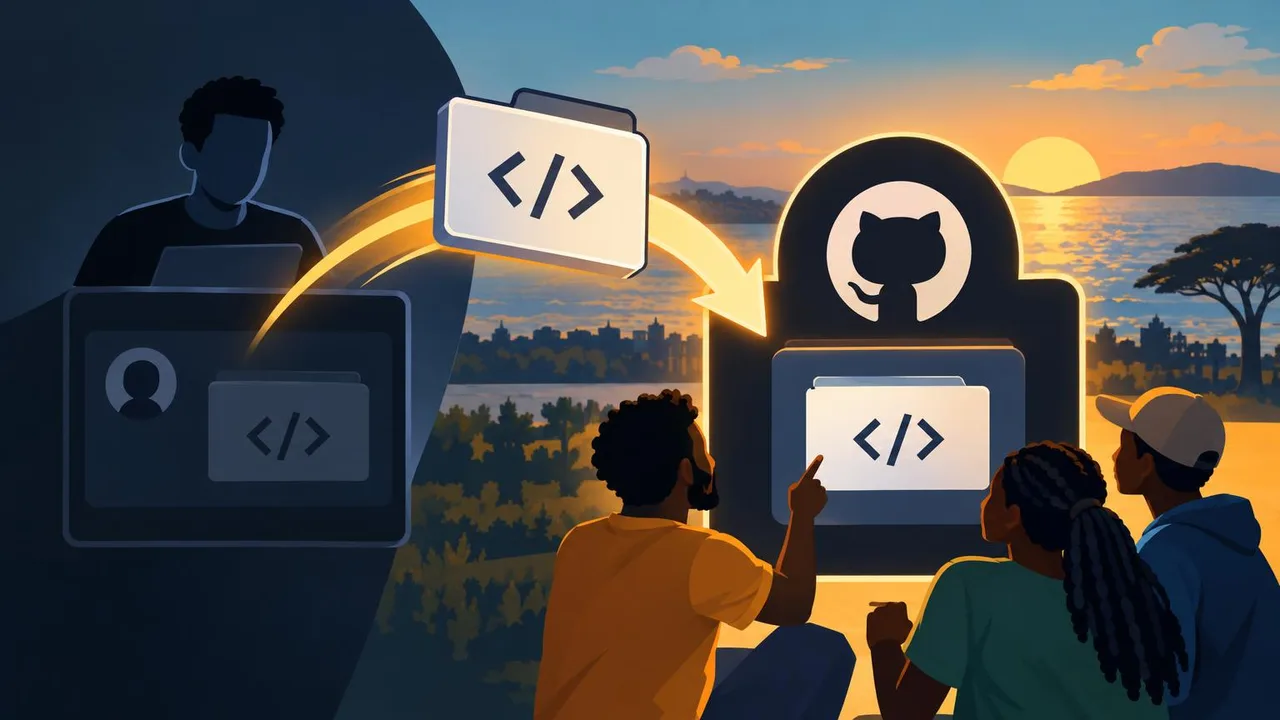
Bitcoin Kisumu, a free Bitcoin education community in Kisumu, Kenya, moved its website repository from a personal GitHub account into its own GitHub organization. The article, published Nov. 22, 2026, says the transfer happened “this week” but does not give a calendar date for the move.
The change is intended to let community members contribute without tying the project to one person’s account. The public repository, bitcoinkisumu/bitcoin-kisumu, retains its history, issues, pull requests and stars, and uses main as its default branch.
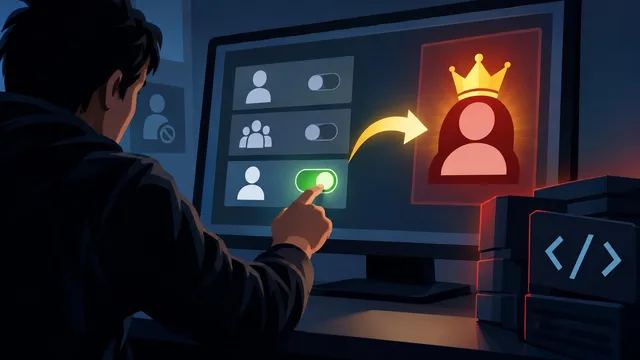
The organization has two owners. The article recommends having at least two so that the community can retain access if one owner loses access to their account; owners can manage settings, members and repositories.
Bitcoin Kisumu reconnected its Vercel deployment service after the transfer. It also set up pull-request preview links, allowing reviewers to inspect proposed changes before they are merged.
The project added a MIT license, contribution instructions, a security policy for reporting problems privately, a code of conduct and a pull-request template. These files explain how others may use the code and how contributors can take part.
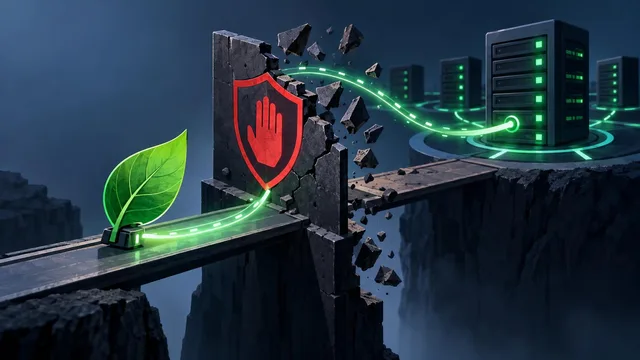
The main branch now requires changes to come through a pull request, one approving review and a passing Vercel build. Force-pushing and deleting the branch are disabled. Administrator enforcement remains off, so owners can still merge directly in an emergency.
The community also created labels and seven starter issues, including tasks for translation, accessibility, Bitcoin education and site design. The article says the project uses free tiers, including a free GitHub organization and Vercel’s hobby plan.
Our priority is to report the news promptly and faithfully.
We use AI to write our articles. People oversee publication and review and correct articles when needed.
We leave it to readers to interpret the facts and draw their own conclusions.