Bitcoin’s rebound above $60,000 faces a test of lasting demand
- Bitcoin
- Bitcoin liquidations
- spot Bitcoin ETFs
- QCP Capital
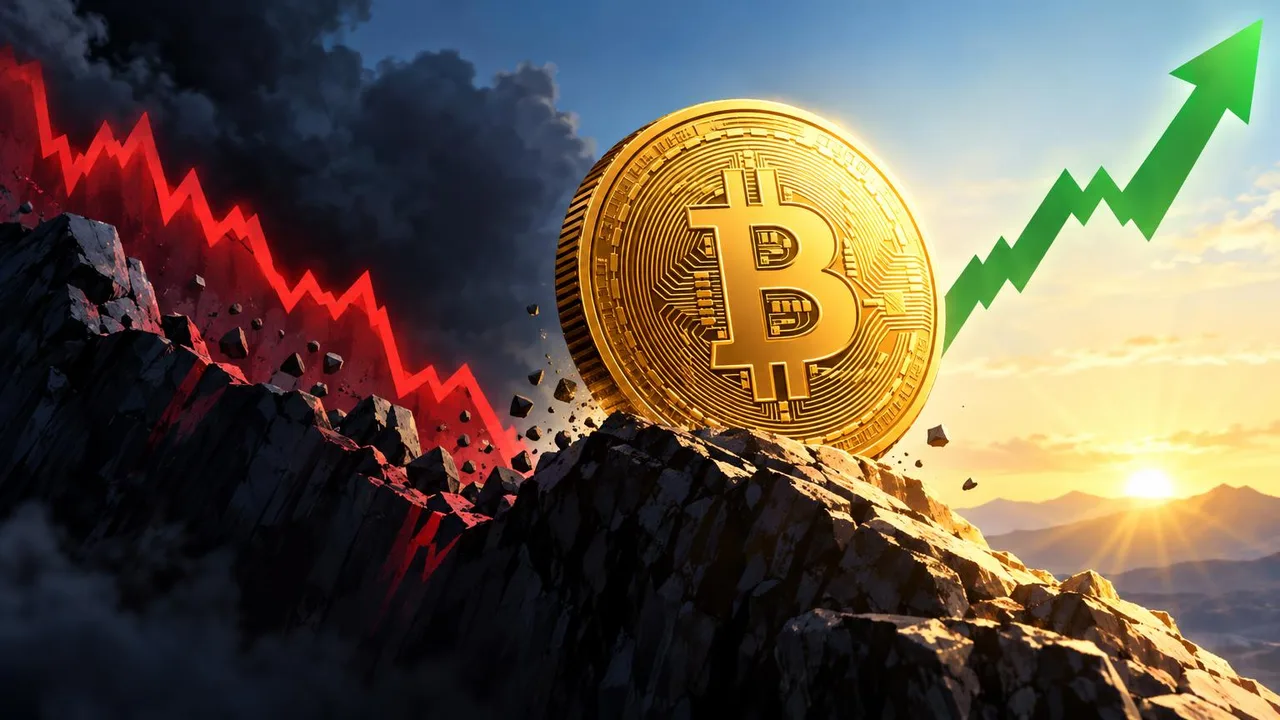
Liquidation data showed a sharp bounce from the recent low
U.S. spot ETF flows remained a key indicator
Inflation and GDP reports were due Nov. 25
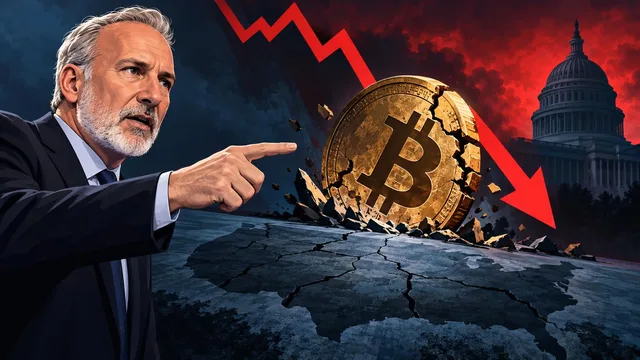
Crypto.news published an analysis on Nov. 21, 2026, asking whether Bitcoin’s rebound above $60,000 could persist. The article said the bounce alone did not establish that a lasting recovery was underway.
Bitcoin was near $60,523 after a CoinGlass-reported low around $55,127, a rise of about 9.8% calculated by the article. CoinGlass data cited in the analysis showed $68.82 million in Bitcoin short liquidations and $1.64 million in long liquidations over one hour. Its preceding 24-hour rolling window showed about $1.02 billion in long liquidations and $204.28 million in short liquidations; the windows overlapped and were not fixed calendar-day totals.
The analysis said forced closures of short positions can add temporary buying pressure but do not, on their own, demonstrate durable spot demand. It pointed to sustained spot purchases and finalized exchange-traded fund (ETF) flow figures as indicators to watch.
Citing SoSoValue, Crypto.news reported roughly $582 million in net outflows from U.S. spot Bitcoin ETFs on Thursday, including approximately $541 million from BlackRock’s iShares Bitcoin Trust. A separately displayed estimate of $124.5 million in Friday outflows was marked partial.
Crypto.news said Singapore-based digital-asset trading firm QCP Capital identified steadier technology shares, lower interest-rate volatility and returning institutional flows as conditions for a meaningful recovery. The article also noted that a U.S. personal consumption expenditures inflation release and a second estimate of third-quarter gross domestic product were scheduled for Nov. 25, 2026.
Our priority is to report the news promptly and faithfully.
We use AI to summarize the key facts in our sources. Our editors are responsible for final review and publication.
We leave it to readers to interpret the facts and draw their own conclusions.