AxLabs releases Neo N3 plugin to search smart contract events
- AxLabs
- Neo N3
- JSON-RPC
- smart contract
Version 1.0.0 is available as open-source software on GitHub
Queries filter events by contract, name and block range
Historical backfill can miss events for some contracts
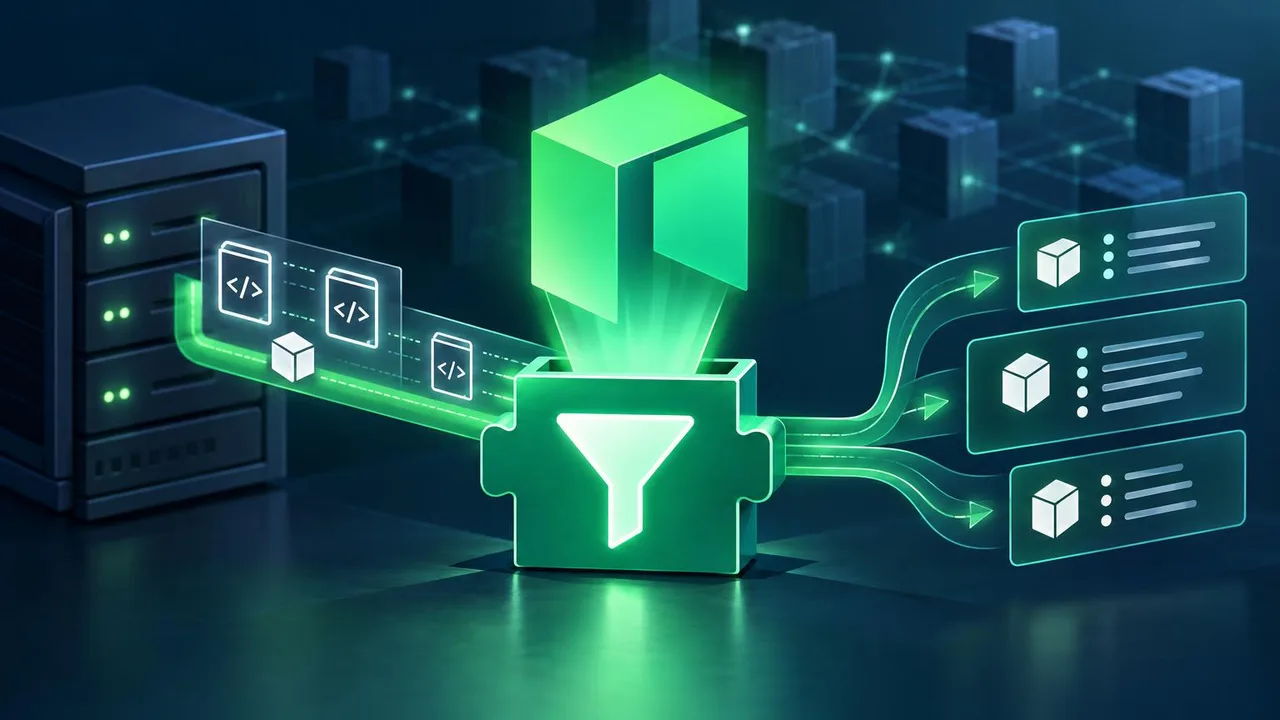
AxLabs has released the Neo Event Filter Plugin for Neo N3, enabling developers to search historical smart contract events and monitor new ones. The open-source plugin is available on GitHub as version 1.0.0, Neo News Today reported on Nov. 21, 2026.
The plugin adds a general-purpose event query that the Neo N3 standard JSON-RPC API did not previously provide across multiple blocks. Developers had often relied on custom indexing systems or third-party services to find contract events.
Queries can filter events by contract address, event name and block range. Developers can also register a filter and poll it for matching events as new blocks arrive, supporting applications that need to respond to events or display them in real time.
When installed on a node, the plugin indexes smart contract notifications as each new block is processed. By default, it also performs a historical backfill: it replays past transactions from block zero to add older events to its searchable index.
That backfill replays transactions against the current blockchain state, rather than the state at the time each transaction originally ran. Neo News Today reported that this can produce inaccurate results or miss events for some contracts; the limitation does not apply to events indexed in real time.
Replaying the full Neo N3 history takes significant time and computing resources. Merl, the AxLabs developer behind the plugin, said historical backfill is separate from a full node resync and does not affect the normal resync process.
Key terms explained
- backfill
Backfill means replaying earlier blockchain blocks to add their notifications to an index.
- AxLabs
AxLabs is a software engineering company from Zürich.
Our priority is to report the news promptly and faithfully.
We use AI to summarize the key facts in our sources. Our editors are responsible for final review and publication.
We leave it to readers to interpret the facts and draw their own conclusions.