Elliptic says $860 million in ETH moved after Binance theft
- TraderTraitor
- Binance
- crypto laundering
- ETH
About 488,000 ETH moved from November 17, the firm reported
Nearly $2.35 billion remained in wallets tied to the theft
Elliptic estimated only a negligible amount had been cashed out
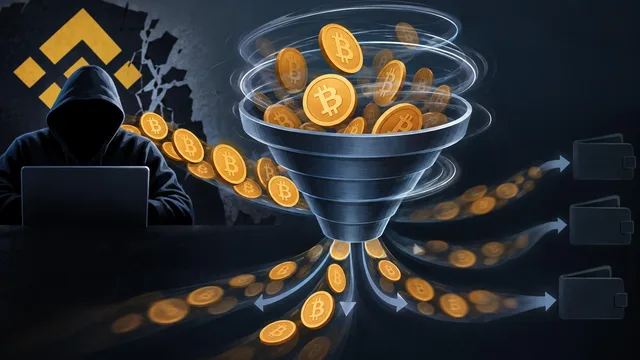
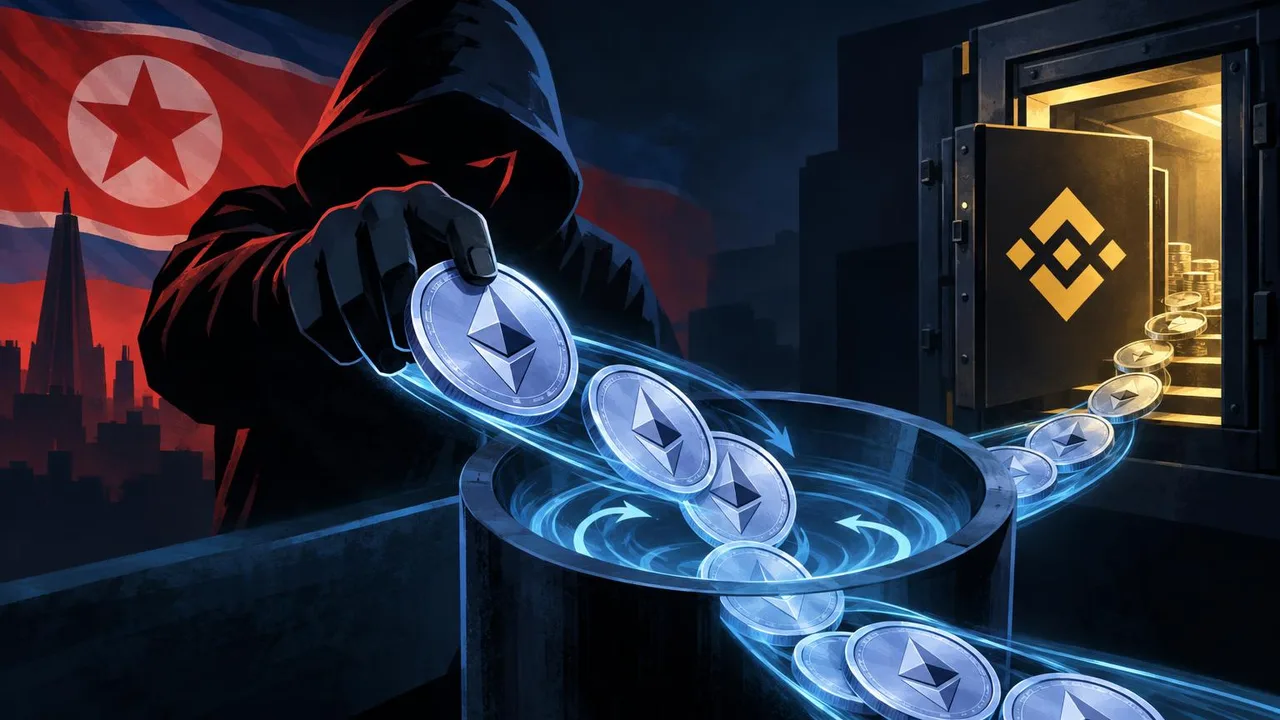
Elliptic reported on November 20 that about 488,000 ETH, worth approximately $860 million, had moved since November 17 from assets stolen from Binance. The transfers followed the October 29 theft, which the FBI attributed to TraderTraitor, a group it linked to North Korea.
The reported figure measures the value of ETH moved, not money confirmed to have been cashed out. Elliptic estimated that a negligible amount had likely reached cash-out, distinguishing transfers and conversions on public blockchains from turning assets into spendable money.
Elliptic traced laundering activity through more than 27,000 wallets across at least 16 blockchains, involving about 55 services and 90,000 transactions. Wallets are accounts used to hold or transfer cryptocurrency; a blockchain is a shared ledger that records transactions.
Elliptic reported that roughly $2.85 billion in assets, primarily stablecoins—cryptocurrencies designed to maintain a stable value—had been frozen or seized. Close to $2.35 billion remained in wallets tied to the theft, largely in ETH and BTC. These estimates describe the reported status of the assets; they do not establish how much will ultimately be recovered.
Binance said on November 18 that it had obtained a $6.5 billion worldwide freezing order from the Abu Dhabi Global Market Courts. The order is a legal measure aimed at freezing assets; the report does not say that the full amount covered by the order had been recovered.
Key terms explained
- blockchain
A blockchain is a shared digital ledger copied across participating computers.
Our priority is to report the news promptly and faithfully.
We use AI to summarize the key facts in our sources. Our editors are responsible for final review and publication.
We leave it to readers to interpret the facts and draw their own conclusions.